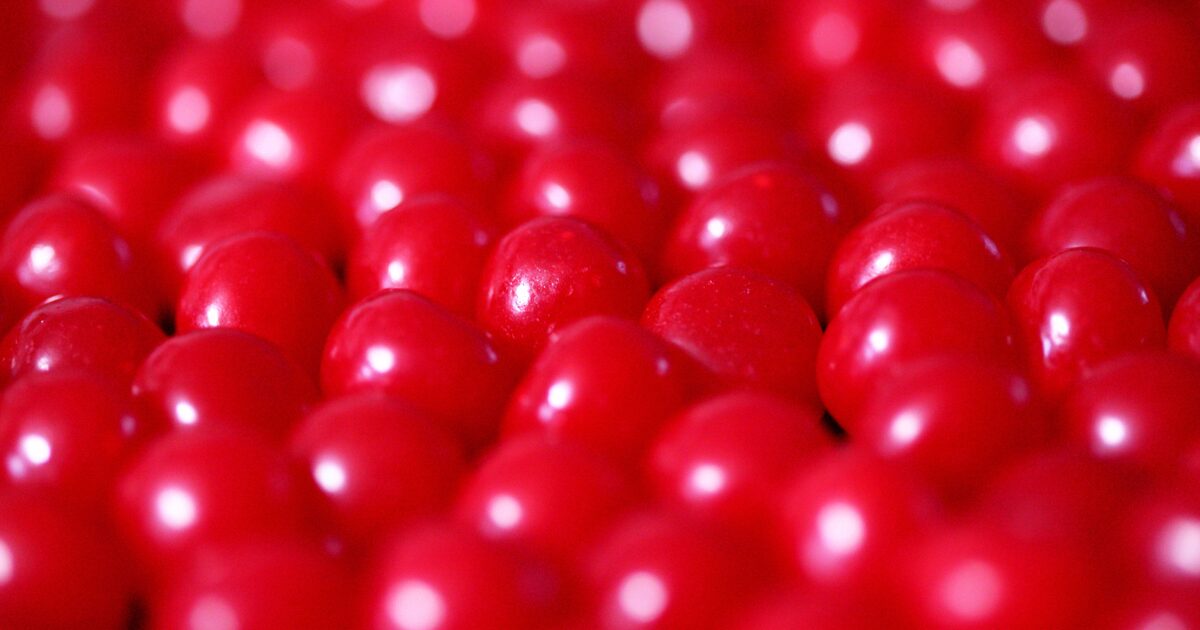
Carmine is the deep red behind a lot of pink and red foods: some strawberry yogurts, fruit drinks, sweets, sausages and cosmetics. On a label it may read as carmine, cochineal, carminic acid, natural red 4, or E120. Unlike most additives in this territory, the question it raises is not about a hidden animal fat or an unstated slaughter. It is about the fact that carmine comes from insects, and on that the schools of Islamic law genuinely differ.
The honest answer to “is carmine halal” is that E120 is a dye extracted from the cochineal insect, and the ruling turns on whether an insect-derived ingredient may be consumed, a point on which named schools and authorities reach different published conclusions. Because this is a real disagreement rather than a gap in the label, the useful thing is to name the positions and let your own scholar or certifying body decide.
What carmine is
Wikipedia’s entry on carmine describes it as a red dye obtained from the carminic acid produced by cochineal insects, historically the scale insect Dactylopius coccus, which is farmed and processed to extract the colourant. It is a genuinely insect-derived ingredient, not a plant or synthetic one, which is what sets it apart from most of the additives shoppers investigate. When a label names an insect origin plainly, the doubt is not about the source, it is about the ruling that applies to that source.
Where the schools differ
This is the heart of it, and it is worth setting out carefully rather than flattening. IFANCA, the Islamic Food and Nutrition Council of America, quotes Sheikh Rachid Belbachir on the classical positions: the schools of Islamic jurisprudence, except for the Maliki, prohibit the consumption of insects, while within the Maliki school insects are permissible so long as their consumption causes no harm. The one universal exception is the locust, permitted by all schools on the strength of a well-known hadith. So on the base question of eating insects, the majority position and the Maliki position already diverge, and both are published and reasoned.
Carmine adds a second layer to that: it is not a whole insect but a processed extract, which brings in the principle of istihalah, whether chemical transformation changes a substance’s status. Islam Question & Answer, supervised by Shaykh Muhammad Salih al-Munajjid, addresses carmine directly and concludes that if it is derived from insects and the food is not harmful, there is nothing wrong with eating it, on the reasoning that a substance transformed into a different substance takes on a new ruling. That same site, in its general answer on insects, records the majority view that most vermin of the earth are not eaten. Holding those two together is the point: the raw insect and the transformed extract are treated as different questions, and reasonable authorities land in different places.
The cautious side, and why some avoid it outright
Set against the permissive readings is a widespread cautious practice. Because most schools treat insects other than locusts as impermissible to eat, many halal certifiers and consumer guides treat carmine and cochineal as an ingredient to avoid, and countries whose populations largely follow the majority position may not accept products coloured with it as halal. That is not a contradiction of the permissive fatwas so much as a different weighting: a certifier applying the more restrictive school, or choosing caution where scholars disagree, will keep insect-derived colour out of what it certifies.
This is why carmine does not collapse into a single answer. It is not the ordinary mushbooh case of a source the label failed to state, because here the source is stated: it is insects, and the disagreement is genuinely at the level of the ruling. Naming the Maliki latitude, the majority caution and the transformation argument is the honest description; choosing between them is a matter for the reader’s own school and scholar.
The routes that sidestep the debate
If you would rather not weigh the disagreement each time, there are common alternatives, and labels increasingly use them. Red and pink colour can also come from plant and mineral sources: beetroot red (E162), anthocyanins (E163) from fruits and vegetables, paprika extract (E160c), and lycopene, as well as synthetic red colourings, none of which raise the insect question. A product coloured with one of these does not put the carmine debate in front of you at all. A halal certification mark from a body you follow is the other route, because the certifier has already applied a consistent position on insect-derived colour.
The quick read at the shelf
Look at the colour line. If it names carmine, cochineal, carminic acid or E120, you are in the insect-dye question, where the Maliki school and the majority differ and named authorities take different views on the processed extract. If the colour is beetroot, anthocyanin, paprika or a synthetic red, that particular question does not arise. A certification mark settles which position has been applied. The is it halal reference and the dedicated carmine ingredient page collect the detail, and the general reading order for packaged food still applies.
Zabihah reads the printed ingredient list and gives AI-assisted general guidance from it, flagging carmine and naming that scholars differ, rather than declaring a single verdict it is not in a position to give. It is not a fatwa and not a substitute for certification. On a question where reputable authorities genuinely disagree, the deciding voice is your own scholar or certifying body, read alongside an official certification.