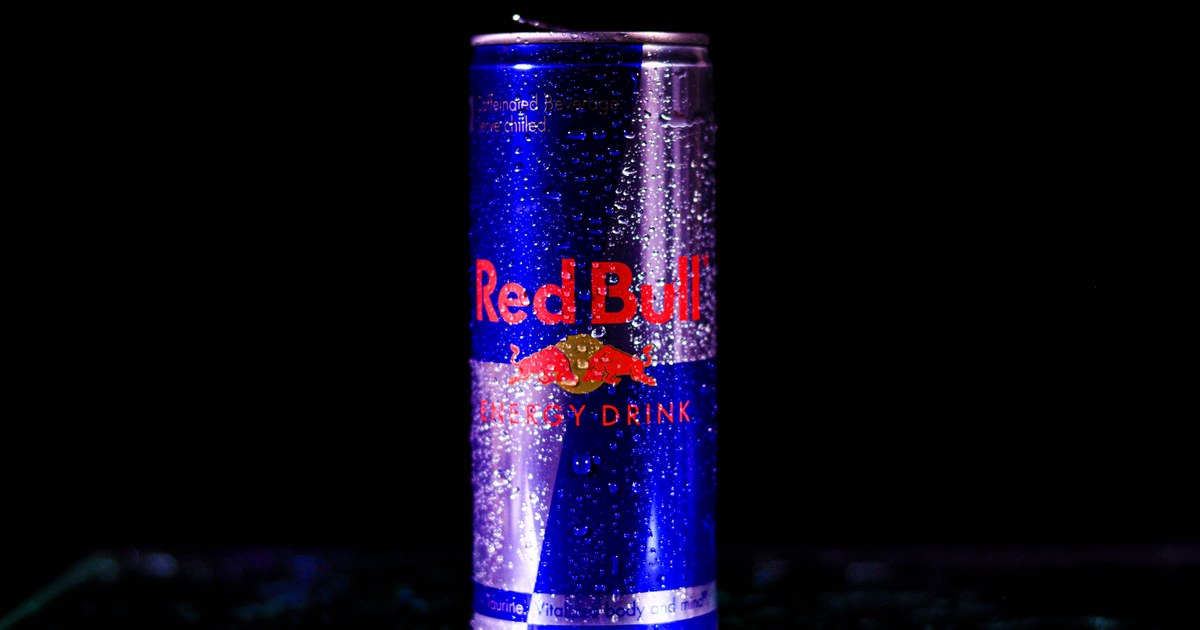
The name does most of the damage. A drink called Red Bull, built around an ingredient called taurine, invites the obvious guess about where that ingredient comes from, and the rumour has been repeated in school corridors and group chats for as long as the can has existed. For a Muslim reader the guess matters, because an animal-derived ingredient of unknown slaughter would change the question entirely.
The question “is Red Bull halal” is not really about bulls. Red Bull states that the taurine in its drinks is synthetic and not derived from any animal, and its Malaysian distributor states that Red Bull sold there has been certified halal since 1993. Outside certified markets, the remaining question is the flavourings line.
Each of those three points has a named source, and each is worth taking in turn.
Where the taurine comes from
Taurine is a real compound with a misleading name. A review in the journal Molecular Vision describes it as one of the few amino acids not incorporated into proteins, found abundantly in tissues such as the brain, retina and muscle. The same review notes that it provides a substrate for the formation of bile salts. None of that says anything about how the taurine in a can is made today.
Red Bull addresses the question directly on its own site. Its answer states that the taurine in Red Bull Energy Drink and other Red Bull products “is not derived from bulls or any other animals” and is instead “a purely synthetic substance produced by pharmaceutical companies”. Its ingredients page adds that taurine, caffeine and the vitamins are synthetically produced, and that the sugar is derived from plant sources.
A synthetic ingredient made without any animal material does not raise the slaughter question that makes an ingredient doubtful. That is why the taurine, which gets all the attention, is not where the real question sits.
The Malaysian halal can
Red Bull’s Malaysian site makes a specific claim that is worth quoting precisely. It states that “Red Bull® Energy Drink distributed in Malaysia does not contain any drugs or alcohol and has been certified ‘Halal’ since its distribution in 1993”, and describes the drink’s contents as “safe, Halal and in accordance with the Local Food Regulation”.
Two things follow from that. First, a halal-certified Red Bull exists, sold in a market with a central halal authority, which tells you a certified version of the drink exists. Second, the statement is about Red Bull distributed in Malaysia. It does not name the certifying body on that page, and it does not extend certification to cans made or sold elsewhere. A can bought in the US or the UK is a separate product for this purpose, and the Malaysian certification does not travel with it. Our overview of halal certification marks explains why a mark belongs to a specific scheme and market, and how to check one.
What is on a US can
The US Red Bull Energy Drink label, as recorded by Open Food Facts, lists carbonated water, sugar, glucose, citric acid, taurine, natural and artificial flavors, sodium bicarbonate, magnesium carbonate, colors, caffeine, niacinamide, vitamin B6, calcium pantothenate and vitamin B12.
Read line by line, most of that list is uncontroversial. Water, sugars, acids and mineral salts carry no animal question, and Red Bull describes the taurine, caffeine and vitamins as synthetic. The US label says only “colors”; the Malaysian page names its colours as caramel and riboflavin, which describes the Malaysian can rather than the US one.
That leaves one line: natural and artificial flavors.
Why the flavourings line is the real question
Flavourings are the least transparent ingredient on almost any label, and energy drinks are no exception. IFANCA, the Islamic Food and Nutrition Council of America, lists artificial and natural flavourings under Investigate Further in its Halal Shopper’s Guide to Ingredients, because a flavouring can include components or carriers that the label does not name. Our post on “natural flavors” and what the FDA definition allows sets out how much that phrase can cover.
The specific concern with flavourings is often alcohol used as a solvent to carry the flavour. On that point, named bodies publish positions. MUIS, the Islamic Religious Council of Singapore, issued a fatwa on natural ethanol in food flavouring, finding that the ethanol content in flavourings used as solvents is below 0.5%, not at an intoxicating level, and not produced from khamr, and so not considered impure. MUIS attaches conditions: the permission is only for ethanol used for flavouring, and the ethanol in the end product should not exceed 0.1%. Other scholars take a stricter view of any alcohol in a food, which our guide to vanilla extract and alcohol sets out alongside the positions that differ. We do not know whether Red Bull’s US flavourings use an ethanol carrier, and the label does not say. What we can say is that this is where the question lives, and that the same reasoning appears in our post on kombucha and trace alcohol.
The quick read at the shelf
The taurine is not the issue: Red Bull says it is synthetic. If you are in a market where the can carries a current halal mark from a body you follow, that certifier’s review covers the flavourings for that product, within the scope and dates of its certificate. If you are not, the open line is “natural and artificial flavors”, and your own scholar’s position on unnamed flavourings and solvent alcohol is what decides it. Sugar-free and flavoured editions have their own labels, so read the one in your hand rather than the one you remember.
Zabihah reads the printed ingredient list and gives AI-assisted general guidance from it, so it will pass over the synthetic ingredients and flag the flavourings line on a can. It is not a fatwa and not a substitute for certification, and it cannot see what carries a flavouring or how a bottling plant runs. For the final decision, an official halal certification and your own scholar or certifying body remain the deciding voices.
Sources
- Red Bull: Is taurine made from bulls' testicles?
- Red Bull: What are the ingredients of Red Bull Energy Drink?
- Red Bull Malaysia: Ingredients
- Open Food Facts: Red Bull Energy Drink (US label)
- IFANCA: Halal Shopper's Guide to Ingredients
- Fatwa on Ethanol, Majlis Ugama Islam Singapura
- Taurine: A 'very essential' amino acid (Molecular Vision, via PMC)